
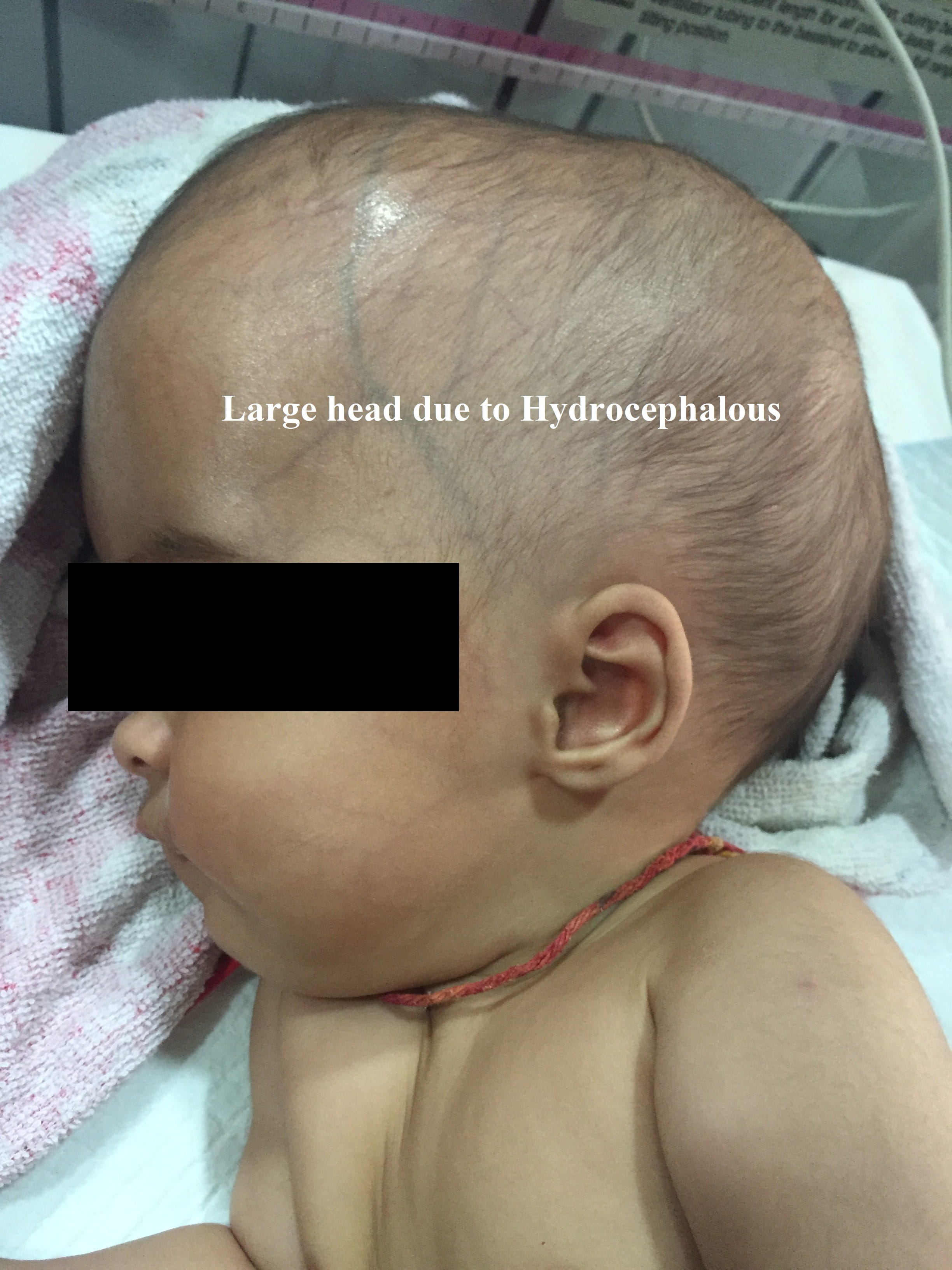
What Is Hydrocephalus?
Hydrocephalus is a brain condition that happens when cerebrospinal fluid (CSF) — the clear, watery fluid that surrounds and cushions the brain and spinal cord — can't drain from the brain. It then pools, causing a build-up of fluid in the skull. Hydrocephalus (also called "water on the brain") can make babies' and young children's heads swell to make room for the excess fluid. Older kids, whose skull bones have matured and fused together, have painful headaches from the increased pressure in the head. If it's not treated, hydrocephalus can lead to brain damage, a loss in mental and physical abilities, and even death. With early diagnosis and timely treatment, though, most children recover successfully.
What Causes Hydrocephalus?
When everything is working normally, CSF flows through a series of cavities (called ventricles) and narrow channels until it leaves the brain to fill the skull and spine. The brain and the spinal cord float in it. Then CSF is recycled into the bloodstream. If there's a blockage in any of the ventricles, or something disturbs the recycling, CSF backs up and causes hydrocephalus. Hydrocephalus can be congenital or acquired:
- Congenital hydrocephalus means a baby is born with the condition. This is often due to problems like spina bifida (abnormal development of the spinal cord) or aqueductal stenosis (the narrowing of a small passageway, the "aqueduct of Sylvius," that connects two major ventricles in the brain).
- Acquired hydrocephalus happens after birth and can affect people of any age. It's usually caused by bleeding in the brain. This can happen in premature babies or people who've had traumatic head injuries. Some kids can develop hydrocephalus due to a tumour or infection in the brain. Sometimes, the cause is not known.
What Are the Signs & Symptoms of Hydrocephalus?
Symptoms of hydrocephalus can vary depending on the age of a child.
Signs in Babies
Babies under the age of 1 year will have heads that appear very swollen. Their skull bones — thin, bony plates that haven't yet fused together — are connected by fibrous tissue called sutures. These sutures, or "soft spots," haven't hardened yet, and stretch and expand to store the excess CSF. As a result, a baby with hydrocephalus will appear to have an oddly shaped head — usually much larger than other babies the same age. Other signs to look for include:
- bulging at the soft spots
- "split" sutures — a gap can be felt between skull bones
- rapid increase in head circumference
- swollen veins that are easily seen with the naked eye
- downward cast of the eyes (called "sunsetting")
Depending on how severe the condition is, babies also may seem excessively sleepy, be fussy, and vomit or have seizures (fits). Young children with hydrocephalus also may miss developmental milestones or slip back to earlier developmental stages. In extreme cases, a child might have "failure to thrive" and miss growth milestones.
Signs in Older Kids
Older children won't have the easily recognizable symptom of an enlarged head because their skull bones have fused together and can't expand to make room for the excess fluid. In these cases, added pressure on the brain can cause severe headaches that may wake a child in the middle of the night or early in the morning. Kids also might have:
- nausea/vomiting
- sleepiness
- problems with balance and motor skills
- double vision
- squinting and/or other repetitive eye movements
Changes in personality, loss of new developmental abilities (like speaking or walking), and memory loss can happen in more advanced cases.
How Is It Diagnosed?
A child who shows any of the signs and symptoms of hydrocephalus should see a doctor right away. The doctor will do an examination and order diagnostic tests — like ultrasound, CT (computed tomography) scan, or MRI (magnetic resonance imaging) — to get a clear picture of the inside of the brain.
How Is It Treated?
It's important to treat hydrocephalus right away. Untreated hydrocephalus can get worse and cause further problems in the nervous system. Treatment can vary depending on the age of the child, the cause of the CSF build up (whether from a blockage, overproduction of fluid, or another problem), and the child's overall health.
Shunt Procedure
The standard treatment for hydrocephalus is a VP shunt. In a shunt procedure, a catheter (a thin, flexible tube) is placed in the brain to drain extra fluid down to the abdominal cavity, chambers of the heart, or a space around the lungs. Then the fluid is absorbed by the bloodstream. A valve (a flap that opens and closes) in the shunt system regulates the flow to prevent over-draining and under-draining. Shunts can be used to treat hydrocephalus from any cause. While shunting has been an effective treatment for hydrocephalus, it is a burden for children and their families. Some shunts last for many years, but none last forever. When they stop working, they must be fixed with another operation. As a result, some kids will need many operations.
Infections are a significant complication of shunt surgery. Most infections develop within the first few months after a shunt procedure. Treatment usually means a hospital stay for surgery to remove the infected shunt, IV antibiotics (given into a vein), and a second operation to replace the shunt after the infection is gone. Because of the drawbacks of shunting, other treatment can be considered in some cases.
Looking Forward
With timely treatment, many kids with hydrocephalus go on to lead normal lives. Those with more complex medical problems, like spina bifida or bleeding in the brain from prematurity, may have more health problems due to these conditions. For these kids, early treatment by developmental specialists, physical therapists, and occupational therapists can aid their recovery and greatly improve their outcomes.