
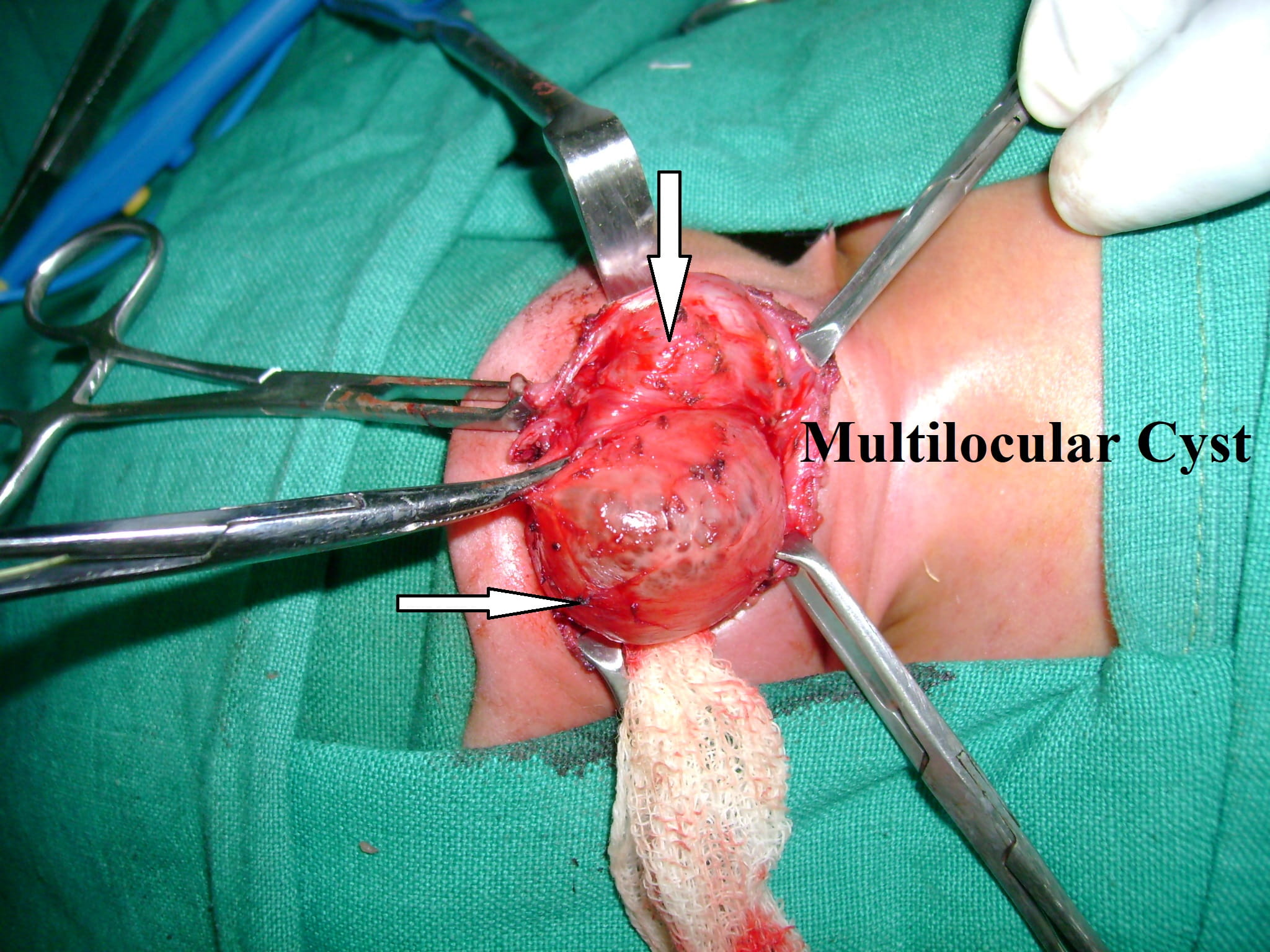
What are cystic hygromas?
Cystic hygromas are abnormal growths that usually appear on a baby’s neck or head. They consist of one or more cysts and tend to grow larger over time. This disorder most often develops while the baby is still in the womb. However, a cystic hygroma can also appear after birth.
Cystic hygromas are fluid-filled sacs caused by blockages in the lymphatic system. This system is a network of organs and tissues that helps move fluids through the body and transport white blood cells. The sacs usually form between the 9th and 16th week of pregnancy.
Cystic hygromas can also increase the risk of miscarriage and may even be life-threatening. Doctors recommend that you schedule your delivery in a major medical centre if a hygroma is detected during pregnancy.
SYMPTOMS
Cystic hygromas that develop after birth may not be noticeable when the baby is born. They can become visible as they grow larger and the child gets older. Cystic hygromas will usually appear by the time the child is 2 years old.
The main symptom of a cystic hygroma is the presence of a soft, spongy lump. This lump most commonly appears on the neck. However, a cystic hygroma can also form in the armpits and groin area.
Cystic hygromas range in size from smaller than a quarter to as large as a baseball. Larger growths may interfere with movement or cause other difficulties.
TREATMENT
A cystic hygroma is usually treatable if it’s present at birth or develops later. The first step of treatment is surgery. The entire growth must be removed to prevent it from coming back.
Long-term outlook for babies with cystic hygromas
The main potential complications of cystic hygromas are:
- recurring growths
- bleeding
- infection in the affected area
- damage to muscles, nerves, or tissues from surgery to remove the hygroma
However, the outlook for babies with cystic hygromas is generally good. This is especially true if the growths can be completely removed. If they can’t be removed, cystic hygromas may return or spread to other areas.